BREAKING: Iran Strikes U.S. Military Base in the Gulf — Explosions Rock Region in Dramatic Escalation
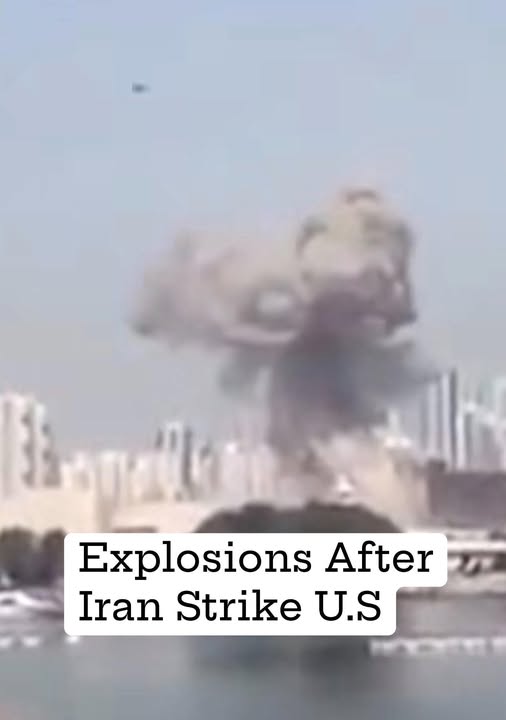
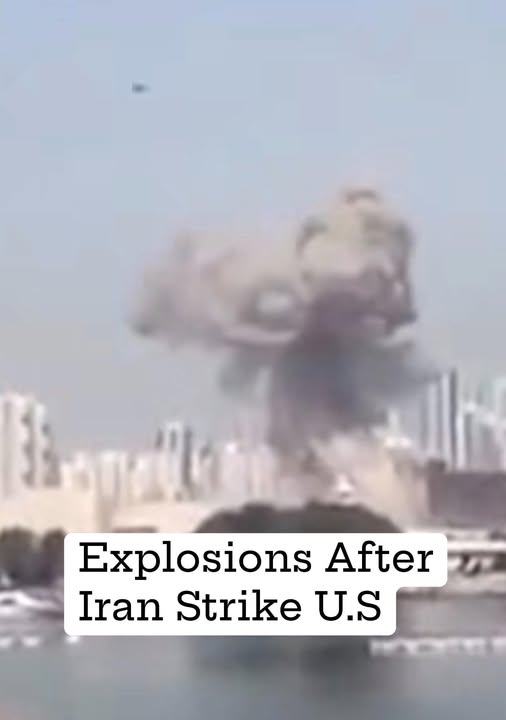
In a dramatic escalation of regional hostilities, Iran launched a salvo of missile strikes at U.S. military installations across the Persian Gulf on Saturday, February 28, 2026, in apparent retaliation for coordinated Israeli-U.S. airstrikes earlier in the day. Videos and eyewitness accounts show towering plumes of smoke rising over strategic bases, sirens wailing in capital cities, and panic spreading among civilians as the crisis deepened.
The most striking footage circulating online shows dark, billowing smoke over the Juffair district of Manama, Bahrain, where the United States Navy’s Fifth Fleet headquarters is located — a nerve center of American military operations in the Middle East. Bahraini authorities confirmed that the facility was among the targets of Iran’s strike, a move that represents one of the most direct confrontations between Tehran and U.S. forces in years.
Iran’s Islamic Revolutionary Guard Corps (IRGC) claimed responsibility for the bombardment, framing it as retaliation for what Tehran described as “unlawful aggression” by U.S. and Israeli forces against Iranian targets. Iranian state media outlets reported that multiple bases hosting American forces — including air installations in Qatar and Kuwait as well as naval and logistical centres in the UAE and Bahrain — were struck in this coordinated operation.
The cross-Gulf barrage marks a dangerous escalation in an already volatile conflict involving Israel, the United States, and Iran. Earlier on Saturday, U.S. and Israeli air forces carried out joint strikes inside Iran targeting military and regime-linked infrastructure, triggering this retaliatory wave. International observers have warned that the violence could spiral into a broader conflict with implications far beyond the Middle East.
Global energy markets and supply chains were also jolted by the news. Analysts warned that the Persian Gulf’s key role in global oil exports makes even isolated military escalations a risk to global prices and shipping security. Meanwhile, diplomatic efforts to calm the situation remain tenuous as leaders on all sides balance military objectives with the risk of full-scale war.
As night fell across the Gulf, cities remained on high alert. Residents reported seeing streaks of interceptor missiles cutting through the sky, loud booms shaking buildings, and military aircraft patrolling airspace. For many civilians — long accustomed to regional tensions — this weekend’s events felt like a breaking point.
The coming hours and days are likely to determine whether this dramatic episode remains a limited escalation or transforms into a wider conflagration engulfing the region and beyond.