

The woman, who is about 30 years old, is unidentified.
According to information at the scene, at approximately 5:30 a.m., a citizen rode a motorbike past the scene and saw the woman lying on the side of the road in the plot without paying attention.
The situation was reported to police at 11am, and they instantly came to inspect the scene.
The woman was thin and appeared to have just been discharged from a hospital.
Local authorities also contacted an ambulance to arrive at the scene and sent the woman to the Prek Phon Health Center for examination.
Stranded in the City: The Woman Without a Cab
In the midst of the city’s relentless rhythm, where people rush past each other without a second glance, a small, almost forgettable moment caught the attention of a passerby—and it tells a bigger story than one might expect. This woman was found a moment ago without a cab. Not an unusual sight in itself, but the layers behind that moment paint a broader picture of modern urban life, compassion, and the quiet crises that often go unnoticed.
It was just past 6 p.m. when the skies began to dim and the traffic thickened, painting the streets with a familiar chaos. As taxis passed by, full or dismissive, a woman stood alone on the curb near a busy intersection, attempting to hail a ride. Her face was lined with fatigue—not just the weariness of a long day, but something deeper, a quiet desperation hidden behind tired eyes and a tightly clutched handbag.
A passerby—let’s call him Marcus—noticed her after watching several taxis ignore her outstretched arm. He paused, hesitated, then approached. “Are you okay?” he asked gently.
She smiled, embarrassed. “I’ve been trying to get a cab for the last 45 minutes,” she said. “My phone died, and I don’t know how else to get home.”
In today’s world, a dead phone can mean sudden helplessness. Without access to ride-share apps or a contact to call, many urban dwellers are left at the mercy of circumstances. For this woman—an elderly figure named Mrs. Whitaker—it was more than an inconvenience. It was a potential safety risk.
Marcus offered to call her a cab from his phone. As they waited together, she opened up about her day: a long hospital visit to care for her sister, walking several blocks when the bus route changed, and her eventual attempt to find a taxi before nightfall. She wasn’t used to relying on strangers. She had lived in the city for over 40 years and once considered herself fully independent. But this moment revealed how quickly vulnerability can surface in a place designed for the fast and the connected.
As the cab finally pulled up, she placed a hand on Marcus’s shoulder and said, “Thank you. It’s not just about the cab. It’s nice to know someone still stops.”
That simple gesture—his pause, his help—transformed what could have been another anonymous urban scene into a moment of connection and humanity.
There’s a larger takeaway in this brief encounter. Cities, for all their opportunity and innovation, often fail the very people who helped build them. Elderly individuals, those without smartphones or tech-savvy tools, are increasingly left behind. Public transportation gaps, rising costs, and the disappearance of human assistance in favor of digital interfaces have made basic mobility a challenge for many.
Moreover, this story reminds us of the power of noticing. Amidst our own daily stress and distractions, we pass people in need all the time. A woman without a cab. A man sitting too long on a bench. A child unsure of their surroundings. Not every situation demands intervention, but many could benefit from a moment of kindness or awareness.
In recounting this small but impactful story, we’re reminded that urban survival isn’t just about speed and efficiency—it’s about community and shared humanity. One woman was without a cab, but more importantly, she was almost without help. Until someone stopped.
The next time you walk past someone struggling on the sidewalk or standing uncertainly at the corner, consider this: maybe all it takes is one person willing to notice


Decapitated body found in Cerro de San Pedro
Abelardo Medellín
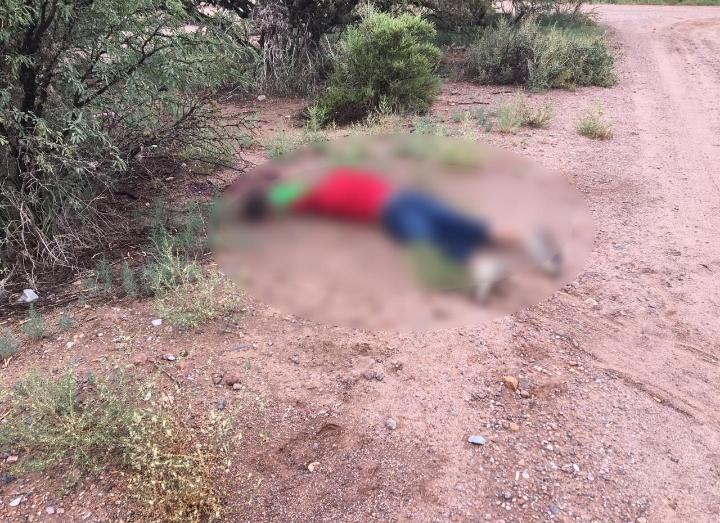
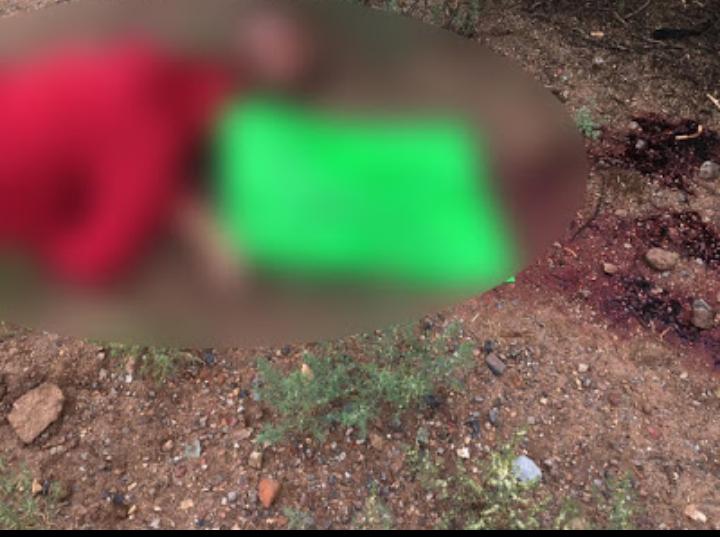
The body of a decapitated man was found yesterday morning, Sunday, September 6, on the side of the road to El Portezuelo, in the municipality of Cerro de San Pedro; along with the headless corpse and the man’s head, there was a narco-message.
Residents of the vicinity of Cerro de San Pedro were the ones who, at approximately 10 a.m., reported the discovery of the executed man so that the corresponding corporations could begin investigations.
At the scene, the body of a young man, who has not yet been identified, was found wearing a red t-shirt and jeans; next to the body was the head of the deceased and a cardboard sign that attributed the execution to an organized crime group.
It is worth remembering that, according to data from the Executive Secretariat of the National Public Security System, the number of victims of intentional homicide in San Luis Potosí has increased exponentially in the last three months; proof of this is not only the more than 60 executions in the state in August alone or the violent days that have been experienced in Matehuala and Rioverde, but the variation of 39.3 percent increase in homicide victims in the state between June and July 2020, a figure that places the state among the 10 with the highest growth of those affected by this crime.