The other stresses patience and procedural integrity.

“THE $120 MILLION ULTIMATUM” erupted across headlines like a thunderclap, igniting a political firestorm that gripped Washington and dominated every major news cycle overnight.
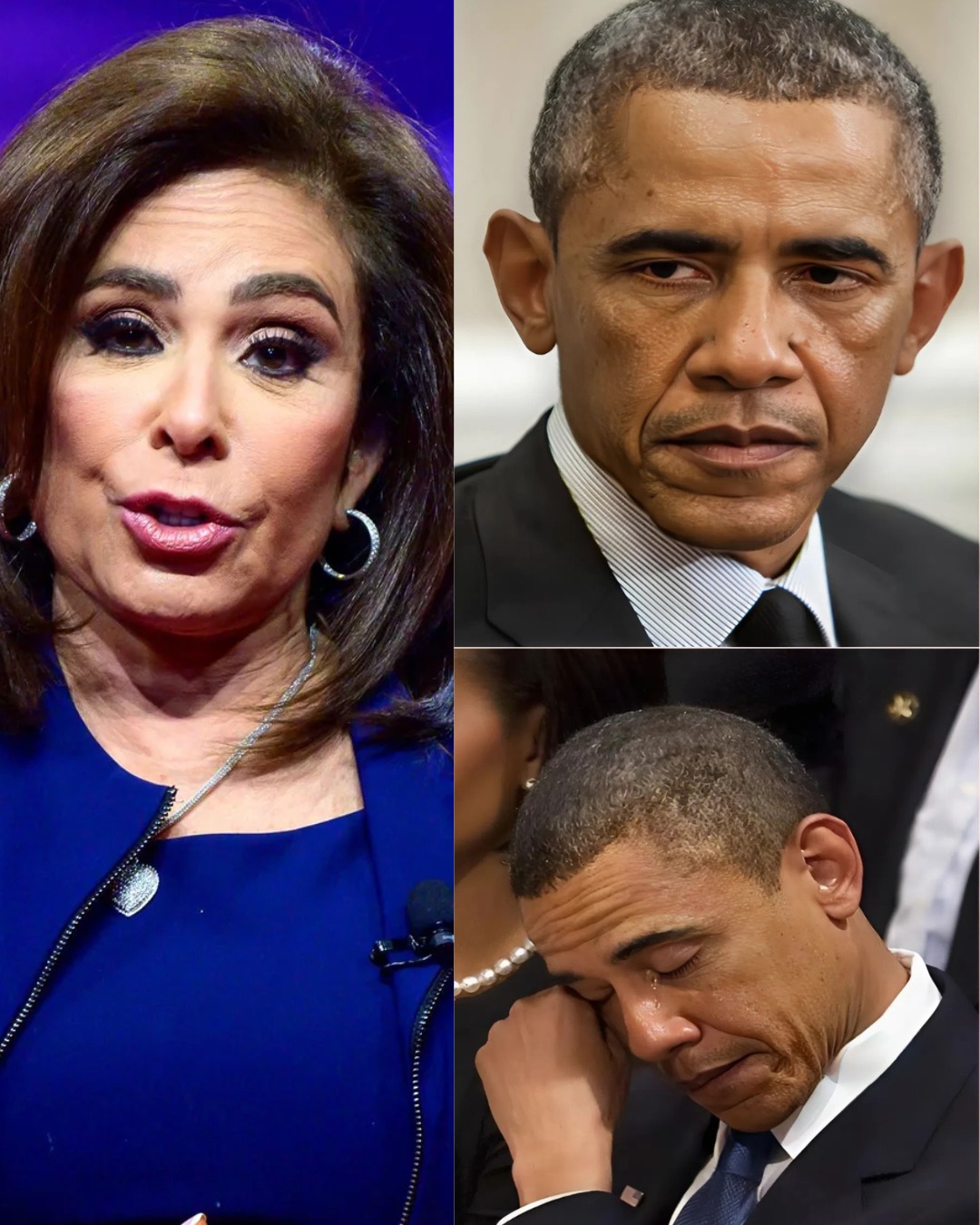
In this imagined political thriller, Judge Jeanine Pirro steps forward with a dramatic accusation, demanding that former President Barack Obama repay an alleged $120 million.
Pirro, portrayed as relentless and unyielding, claims the funds were improperly diverted from the Affordable Care Act, describing the situation as unprecedented and deeply troubling.
Standing before flashing cameras, she characterizes the alleged misconduct as a “blatant manipulation of taxpayer resources” and a “serious abuse of entrusted authority.”
The accusation alone would have stirred controversy, but Pirro escalates the confrontation by issuing a firm and public deadline.
She grants Obama seventy-two hours to respond formally, warning that failure to do so will trigger a referral to the Department of Justice.
The declaration lands with dramatic force, instantly polarizing political observers, legal analysts, and citizens across the country.
Within minutes, social media platforms explode with hashtags, commentary threads, and speculative legal breakdowns.
Cable news panels assemble emergency roundtables, inviting former prosecutors, constitutional scholars, and partisan strategists to dissect the unfolding drama.
In this fictional narrative, the former president remains silent, offering no immediate rebuttal as the countdown clock begins ticking.
That silence fuels further speculation, with commentators interpreting it alternately as confidence, calculation, or quiet defiance.
Pirro, meanwhile, appears unwavering, stating she will “not seek permission to pursue the truth.”
Her supporters describe her as fearless, a prosecutor unwilling to overlook what she believes to be financial misconduct.
Critics counter that the ultimatum resembles political theater more than measured legal process.
The alleged $120 million figure becomes the centerpiece of every headline, repeated so frequently it takes on symbolic weight.
Financial experts in the story debate how such a sum could allegedly move through federal systems unnoticed.
Some argue that large-scale healthcare funding mechanisms are inherently complex and vulnerable to administrative opacity.
Others insist that robust oversight procedures make deliberate diversion extremely difficult.
As the fictional controversy deepens, archival speeches and legislative records are revisited and scrutinized.
Political rivals seize the opportunity to question past healthcare negotiations and executive decisions.
Supporters of the former president emphasize his administration’s documented healthcare reforms and policy intentions.
They argue that accusations without verified documentation risk undermining institutional trust.
In the narrative’s second day, Pirro releases a summary of her preliminary findings.
The document, described as detailed and technical, outlines supposed irregularities in allocated funds.
Legal analysts portrayed in the story debate whether the claims meet thresholds for criminal inquiry.
Some caution that administrative discrepancies do not automatically constitute criminal wrongdoing.
Others contend that if intentional misrepresentation occurred, it would demand serious accountability.
As the seventy-two-hour deadline approaches, tension escalates within the fictional Washington landscape.
Protests emerge outside federal buildings, with demonstrators representing sharply divided political viewpoints.
Commentary programs adopt urgent tones, framing the standoff as a constitutional crossroads.
Pirro reiterates her timeline, stating that transparency requires decisive action.
She emphasizes that no public official, current or former, should be beyond scrutiny.
Opposing voices argue that due process must prevail over televised ultimatums.
The narrative explores the delicate balance between accountability and political spectacle.
Observers within the story note how modern media ecosystems amplify confrontation.
Short video clips circulate rapidly, often stripped of nuance or context.
Soundbites replace detailed argument, intensifying emotional reactions nationwide.
On the third day, legal representatives for the former president release a carefully worded statement.
They reject the allegations entirely, describing them as “baseless and politically motivated.”
The statement underscores confidence in established oversight mechanisms.
It calls for restraint, urging the public not to prejudge complex financial matters.
Pirro responds swiftly, asserting that her documentation warrants independent review.
She confirms her intention to forward materials to federal authorities as promised.
The fictional Department of Justice acknowledges receipt of the referral.
Officials clarify that a review does not imply guilt, only procedural examination.
This distinction becomes central to ongoing debate within the narrative.
Constitutional scholars discuss the separation of powers and investigative independence.
They warn against conflating public accusation with judicial determination.
The story delves into the psychology of political ultimatums.
Deadlines create urgency, but they also risk escalating conflict unnecessarily.
Supporters of Pirro view the move as bold and uncompromising.
They argue that deadlines prevent bureaucratic delay and institutional evasion.
Opponents see the tactic as confrontational and potentially prejudicial.
They caution that justice systems function best without performative pressure.
As fictional hearings loom, congressional leaders consider forming oversight panels.
The idea sparks renewed debate about legislative versus executive authority.
Public opinion polls within the story show a deeply divided electorate.
Some respondents demand aggressive investigation.
Others express fatigue with perpetual political conflict.
Media outlets compete for exclusive interviews and insider insights.
Anonymous sources offer conflicting accounts of internal deliberations.
Fact-checking organizations analyze each claim line by line.
The narrative emphasizes the importance of verifiable documentation.
Financial auditors examine theoretical transaction pathways.
They explain how federal healthcare disbursements typically undergo layered review.
Transparency advocates call for clearer reporting structures.
They argue that complex funding systems invite suspicion.
The fictional controversy extends beyond Washington.
International observers question how such disputes affect American political stability.
Markets fluctuate slightly amid uncertainty.
Political strategists calculate potential electoral implications.
Campaign consultants frame the ultimatum as either principled courage or calculated provocation.
Meanwhile, legal teams prepare for possible grand jury proceedings.
The story highlights the gravity of criminal referral.
Even unproven allegations can carry reputational consequences.
Pirro appears on multiple broadcast platforms defending her stance.
She insists that oversight strengthens democracy.
Her critics maintain that accusations require extraordinary evidentiary standards.
The seventy-two-hour window officially closes.
Documents are transmitted to federal authorities.
Commentators describe the moment as climactic.
Yet the legal process unfolds slowly.
Weeks pass in the narrative with measured investigative steps.
Subpoenas are neither confirmed nor denied.
Speculation gradually gives way to procedural routine.
The public’s attention begins shifting toward new controversies.
Still, the alleged $120 million lingers in collective memory.
Editorial boards publish contrasting perspectives.
Some praise vigilance against potential corruption.
Others warn against normalizing public ultimatums.
The fictional former president continues public engagements, projecting composure.
He reiterates confidence in institutional review.
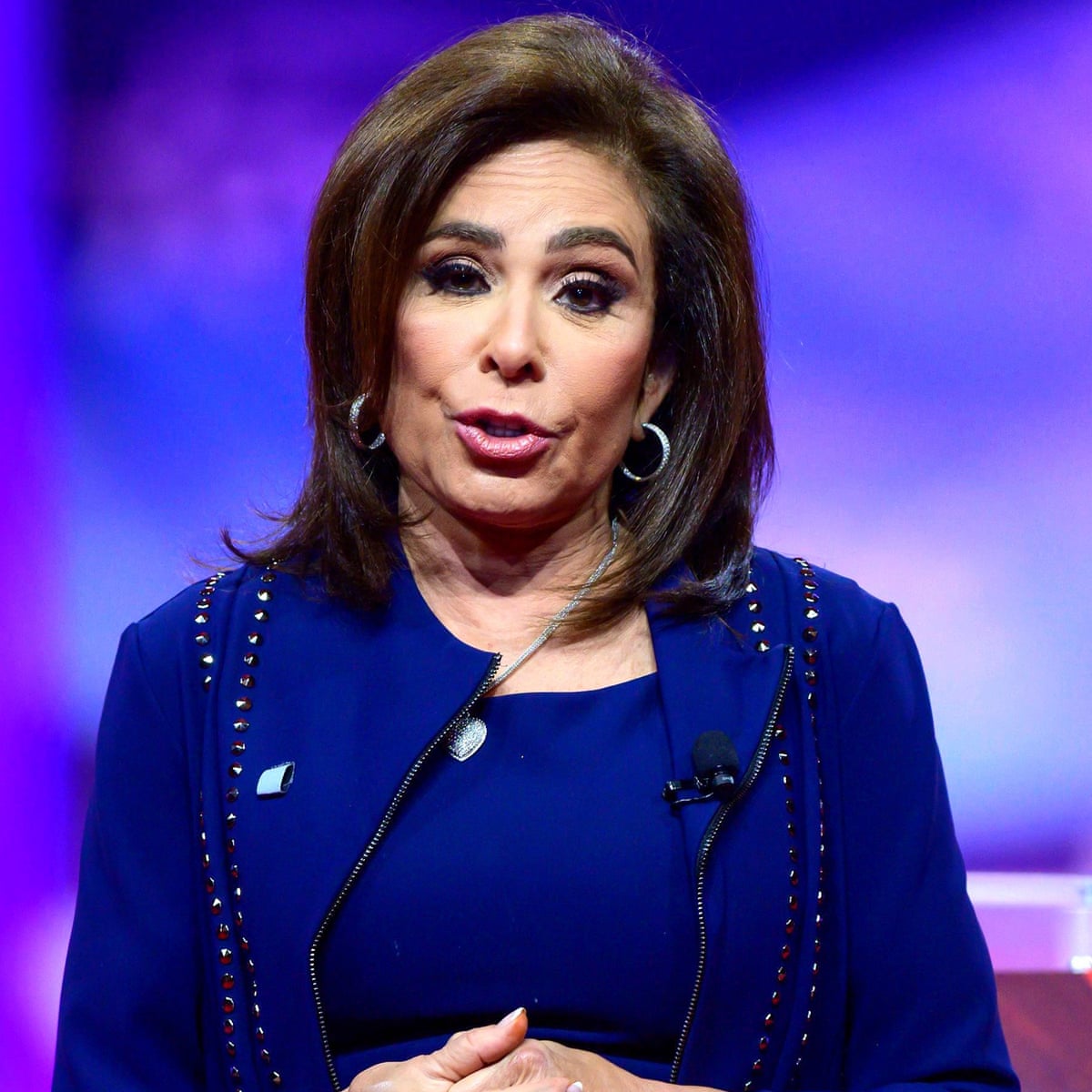
Pirro maintains that her responsibility was to raise concerns transparently.
The story refrains from declaring definitive outcomes.
Instead, it explores themes of power, accountability, and perception.
It underscores how narratives can shape political reality.
In democratic systems, legitimacy depends on both scrutiny and fairness.
The article portrays competing visions of justice.
One emphasizes urgency and confrontation.
The other stresses patience and procedural integrity.
Ultimately, “The $120 Million Ultimatum” serves as a study in modern political drama.
It illustrates how accusations reverberate instantly through digital ecosystems.
It questions whether public deadlines clarify truth or cloud it.
It portrays institutions under pressure to respond decisively yet impartially.
Most importantly, it reminds readers that allegations are not verdicts.
In the imagined storm that swept Washington, rhetoric proved as powerful as evidence.
The countdown clock captured national attention.
But the enduring lesson lay in democratic resilience.
Systems of law, when functioning properly, rely on investigation rather than spectacle.
And in the end, truth demands more than an ultimatum.